
 English
 Français
 Español
The Ultimate Guide to Choosing Your Perfect Shower Enclosure
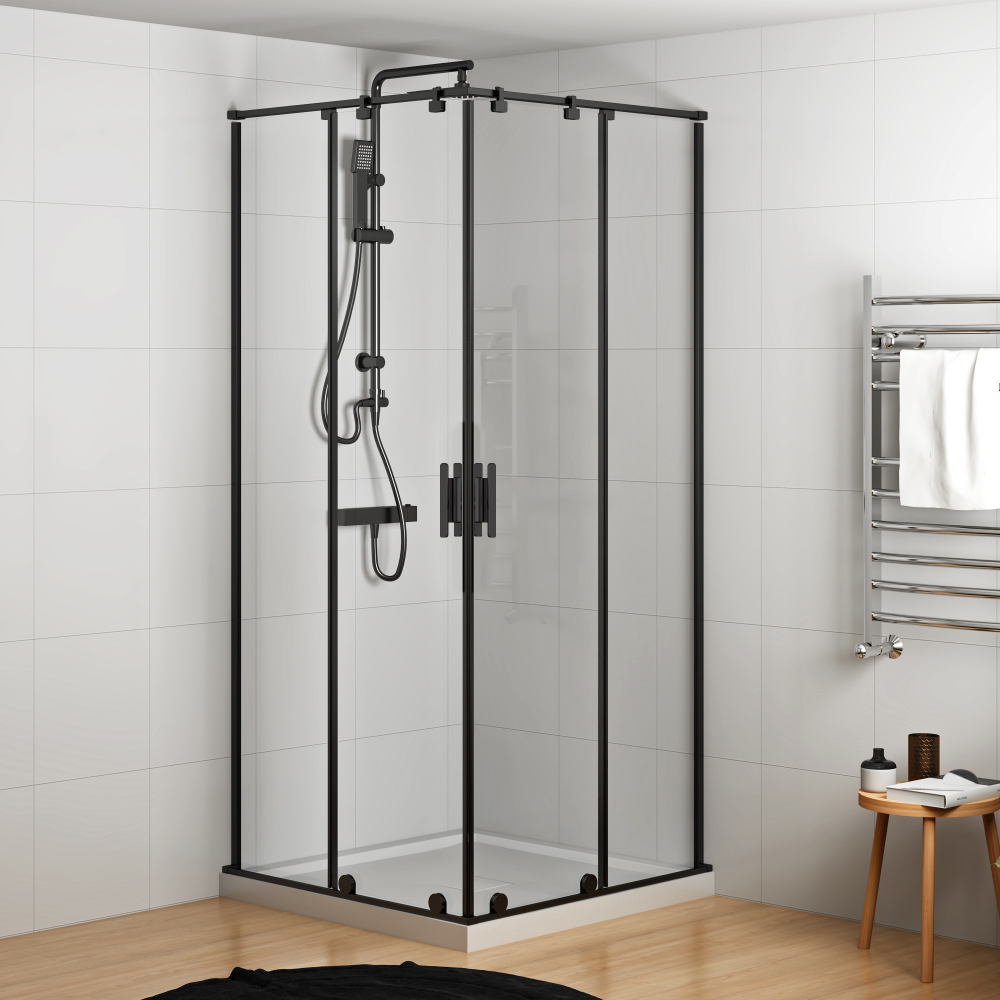
Stepping into a shower enclosed by crystal-clear glass is an experience that transforms a daily routine into a moment of luxury. Glass Simple Shower Doors have become a hallmark of modern bathroom design, celebrated for their ability to create a sense of openness, showcase beautiful tile work, and make spaces feel larger and brighter. But choosing the right shower door involves more than just aesthetics. It's a decision that balances style, space, functionality, and budget. The market offers a dizzying array of options, from minimalist frameless designs to practical sliding mechanisms. This comprehensive guide is designed to navigate you through the essential considerations. We will delve into the critical choice between hinged and sliding doors, explore the specific needs of smaller bathrooms, demystify the crucial hardware requirements, and provide expert advice on cleaning and maintenance. By the end, you will be equipped with the knowledge to confidently select the perfect glass shower door that not only elevates your bathroom's design but also serves your practical needs for years to come.
hinged vs sliding glass shower door: Which is Right for You?
The first and most fundamental decision you'll face is the choice between a hinged (or pivot) and a sliding glass shower door. This choice is not merely a matter of style; it is dictated by the physical constraints of your bathroom and your personal preferences. A hinged door operates like a traditional door, swinging open on a pivot, requiring a clear arc of space to operate. This design often lends itself to a more seamless, architectural look, particularly in frameless styles. On the other hand, a sliding door operates by gliding along a track, making it an ideal solution for bathrooms where space is at a premium. The hinged vs sliding glass shower door debate boils down to a trade-off between the expansive, open feel of a hinged door and the space-saving efficiency of a sliding one. Understanding the mechanics, spatial requirements, and aesthetic impact of each is the crucial first step in narrowing down your options and ensuring your final choice is both beautiful and functional.
Understanding the Mechanics: Pivot vs. Sliding Doors
A hinged or pivot door is attached to the wall or a fixed glass panel with hinges, allowing it to swing inward or outward. A sliding door, also known as a bypass door, consists of two or more panels that roll on a track system, with one panel sliding behind the other to create an opening. This fundamental difference in operation is the core of all other distinctions between the two types.
Space Considerations: Measuring Your Bathroom
This is the most critical factor. Before you fall in love with a design, you must assess your available space.
- For Hinged Doors: You must have enough clearance in front of the shower for the door to swing open without hitting a vanity, toilet, or other fixture. A general rule of thumb is to have at least 24-30 inches of clear floor space.
- For Sliding Doors: The primary consideration is the width of the shower opening. Sliding doors require no swing room, making them perfect for tight spaces, such as a shower-tub combination or a standalone shower with limited surrounding floor space.
Aesthetics and Accessibility: A Style and Function Comparison
The visual impact and ease of use also differ significantly between the two styles.
| Feature | Hinged Glass Shower Door | Sliding Glass Shower Door |
| Aesthetic | Offers a cleaner, more uninterrupted look. Frameless hinged doors are particularly popular for their minimalist appeal. | Requires tracks and headers, which can interrupt the visual line. However, modern hardware has become much more streamlined. |
| Opening Size | Provides a full, unobstructed opening, making it very easy to enter and exit the shower. | Only offers a partial opening, as one panel always remains in place. This can be a consideration for accessibility. |
| Cleaning | Generally easier to clean as there are no tracks to collect water and soap scum. | The bottom track can be difficult to clean and may require regular maintenance to prevent clogging. |
Budget and Installation Complexity
While costs can vary widely based on glass thickness, hardware quality, and customization, there are some general trends. Hinged doors, especially frameless models, often require more precise installation and more robust hardware to support the weight of a swinging panel, which can sometimes increase the cost. Sliding doors have more components (tracks, rollers) but the installation process can be more straightforward in some layouts.
Maximizing Space: sliding glass shower doors for small bathrooms
In the design of a small bathroom, every inch counts. This is where sliding glass shower doors for small bathrooms prove to be an invaluable asset. Their primary advantage is their space-saving operation. Unlike hinged doors that require a swing radius, sliding doors move parallel to the shower wall, eliminating the need for precious floor clearance. This allows you to place fixtures like vanities and toilets much closer to the shower enclosure without creating an obstacle course. Furthermore, the use of glass, particularly clear glass, plays a powerful visual trick. It allows the eye to travel through the shower to the back wall, creating an illusion of depth and making the entire room feel significantly larger and more open than it would with an opaque shower curtain or frosted glass. By choosing a sliding door, you are not just installing a functional element; you are making a strategic design choice that enhances the perception of space and light, turning a potentially cramped bathroom into a more comfortable and airy environment.
Why Sliding Doors are a Small Bathroom's Best Friend
The benefits are clear and focused on maximizing the usable area.
- No Swing Clearance Needed: This is the number one advantage. It frees up floor space that would otherwise be reserved for the door's path.
- Visual Expansion: Clear glass maintains sightlines, preventing the bathroom from feeling "chopped up."
- Versatility: They are the perfect solution for shower-tub combinations, a common layout in many smaller homes.
Design Tips to Enhance the Feeling of Space
To amplify the space-saving effect, consider these complementary design choices.
- Go Frameless: A frameless sliding door system with minimal hardware will create the most seamless and open look.
- Use Clear Glass: Avoid frosted or patterned glass, which can make a small space feel smaller by blocking the view.
- Continue the Tile: Using the same tile on the shower floor and the bathroom floor can blur the boundaries and make the space feel like one continuous area.
- Good Lighting: Ample lighting, both natural and artificial, will reflect off the glass and brighten the entire room.
Common Layouts for Sliding Door Installations
Sliding doors are incredibly adaptable to various shower configurations.
- Alcove Showers: A three-walled alcove is the most common and straightforward application for a sliding door.
- Corner Showers: Sliding doors can be used on neo-angle or corner shower enclosures, often with a stationary glass panel on one side.
- Shower-Tub Combos: This is a classic use case, providing a waterproof and stylish alternative to a shower curtain.
Potential Drawbacks to Consider
While ideal for small spaces, it's important to be aware of the trade-offs.
- Track Cleaning: The bottom track can accumulate soap scum, hair, and hard water deposits, requiring regular cleaning.
- Limited Opening: You can never open the entire width of the shower, which might be a minor inconvenience for some.
- Roller Maintenance: Over time, the rollers may need cleaning or replacement to ensure smooth operation.
The Unseen Essentials: frameless glass shower door hardware requirements
The beauty of a frameless glass shower door lies in its minimalism, but this aesthetic is only possible thanks to a robust and precisely engineered set of hardware. Unlike framed doors that have a metal frame to support the glass, a frameless door relies entirely on its specialized hardware for structural integrity, stability, and waterproofing. Understanding the frameless glass shower door hardware requirements is not just for installers; it's crucial for homeowners to make informed decisions about quality, safety, and longevity. The hardware is the unsung hero that bears the entire weight of the heavy glass panels, ensures they swing or slide smoothly, and prevents water from escaping onto the bathroom floor. Every component, from the solid brass hinges to the sleek wall clamps and the discreet seals, plays a vital role. Choosing high-quality hardware is a non-negotiable investment in the performance and durability of your shower enclosure, preventing issues like sagging doors, leaks, and premature wear.
Beyond the Glass: Key Hardware Components Explained
A frameless system is composed of several key parts, each with a specific function.
- Hinges: These are the most critical component, bearing the full weight of the door. They must be heavy-duty and made of a durable material like solid stainless steel or brass to prevent sagging.
- Clamps and Brackets: These U-shaped or L-shaped brackets secure the fixed glass panels to the walls and ceiling, providing the main structure for the enclosure.
- Handles and Pulls: While functional for opening the door, they are also a major design element. They must be securely fastened to the glass.
- Seals and Sweeps: These are the soft vinyl or silicone components that fit onto the edges of the glass to prevent water from leaking through the gaps between the door and the fixed panel or the floor.
Material Matters: Finishes and Durability
The material and finish of the hardware are critical for both aesthetics and longevity, especially in the wet, humid environment of a shower.
| Material/Finish | Pros | Cons |
| Solid Brass | Extremely durable, strong, resistant to corrosion. Can be plated in various finishes. | Heavier and more expensive than other options. |
| Stainless Steel | Excellent corrosion resistance, very strong, modern look. | Can be more expensive; finish options can be more limited. |
| Brushed Nickel | Popular finish that hides water spots and fingerprints well. | Quality varies; a cheap plated finish can wear off over time. |
| Matte Black | Very trendy, provides a strong contemporary contrast. | Prone to showing water spots and soap residue; requires more frequent cleaning. |
Understanding Weight and Thickness Specifications
The hardware you choose must be rated to support the weight and thickness of your glass. Most frameless shower doors use 3/8-inch or 1/2-inch thick tempered glass, which is very heavy. Hinges, in particular, will have a specific weight rating. Using hardware that is not rated for your glass's thickness and weight is a serious safety hazard that can lead to catastrophic failure. Always verify the specifications of your hardware with your installer.
Installation Precision: Why Hardware Choice is Critical
Frameless shower door installation is a precision job. The walls must be plumb, and the hardware must be installed with absolute accuracy. Even a small misalignment can cause the door to swing improperly, not close correctly, or put undue stress on the glass, leading to breakage. This is why hiring an experienced professional is highly recommended. They understand the frameless glass shower door hardware requirements and have the tools and expertise to ensure a safe, perfectly functioning, and beautiful final result.
Crystal Clear Solutions: how to clean hard water stains from glass shower doors
There is nothing that detracts from the beauty of Glass Simple Shower Doors more than a layer of cloudy, stubborn hard water stains. These stains are not just dirt; they are mineral deposits (primarily calcium and magnesium) left behind when hard water evaporates. Over time, these minerals build up, creating a film that can be incredibly difficult to remove with regular cleaners. Learning how to clean hard water stains from glass shower doors is essential for maintaining the pristine look of your bathroom. The good news is that you don't always need harsh, expensive chemicals. Many highly effective solutions can be made from simple household items. The key is to use an acidic agent that can dissolve the mineral bonds. Whether you opt for a DIY approach or a commercial product, consistency is key. Regular cleaning will prevent buildup, but for established stains, a little extra effort with the right technique will restore your glass to its original sparkling clarity.
The Science of Hard Water Stains
Understanding the enemy is the first step. Hard water contains dissolved minerals like calcium carbonate and magnesium carbonate. When the water on your shower door evaporates, these minerals are left behind. Over time, they form a hard, chalky layer of limescale that regular soap and water cannot remove. The acidic cleaners work by breaking down these alkaline mineral deposits.
DIY Cleaning Methods: From Vinegar to Baking Soda
These gentle yet effective methods are excellent for regular maintenance and tackling moderate stains.
- White Vinegar Soak: The go-to solution. Soak paper towels or a cloth in white vinegar and press them directly onto the stained areas of the glass. Let it sit for at least 30-60 minutes for the acid to dissolve the deposits. Then, scrub with a non-abrasive sponge and rinse thoroughly.
- Baking Soda Paste: For tougher spots, make a paste of baking soda and a small amount of water. Apply it to the glass and scrub gently. Baking soda is a mild abrasive that can help lift the stains without scratching the glass. Rinse clean and follow with a vinegar spray to remove any residue.
- Lemon Juice: The citric acid in lemon juice works similarly to vinegar. Apply fresh lemon juice to the stains, let it sit, and scrub clean.
Choosing the Right Commercial Cleaners
For severe, long-standing stains, a dedicated commercial cleaner may be necessary.
- Look for Acid-Based Cleaners: Check the label for ingredients like sulfamic acid, phosphoric acid, or hydrofluoric acid (use extreme caution and follow instructions precisely with products containing HF).
- Read Reviews: Look for products specifically formulated for removing hard water stains and soap scum from glass.
- Test a Small Area: Always test any new chemical cleaner on a small, inconspicuous area first to ensure it doesn't damage the glass or any surrounding metal hardware finishes.
Pro Tips for Prevention and Daily Maintenance
The easiest way to clean hard water stains is to prevent them from forming in the first place.
- Squeegee Daily: The single most effective preventative measure. Squeegee the glass after every shower to remove water before it can evaporate and leave mineral deposits.
- Apply a Water Repellent: Use a rain-repellent product designed for glass shower doors. These products create a hydrophobic coating that causes water to bead up and roll off, taking minerals with it.
- Wipe Down with a Dry Cloth: If you don't have a squeegee, a quick wipe-down with a dry, lint-free cloth is better than nothing.
A Simple Fix: glass shower door seal strip replacement
A leaky shower door is more than just an annoyance; it can lead to significant water damage to your bathroom floor and subfloor. Often, the culprit is not the glass or the hardware, but a simple, worn-out piece of material: the seal strip. The glass shower door seal strip replacement is one of the easiest and most cost-effective DIY repairs you can perform to restore your shower's functionality. These vinyl or rubber strips are designed to create a watertight barrier along the edges of the glass door and frame. Over time, exposure to water, cleaning chemicals, and constant friction causes them to become brittle, cracked, or warped, losing their ability to seal effectively. Fortunately, replacing them is a straightforward process that doesn't require specialized tools or plumbing knowledge. By identifying the type of seal you need and following a few simple steps, you can fix that annoying drip and protect your bathroom from water damage in less than an hour.
Identifying Worn or Damaged Seals
Before you can replace a seal, you need to confirm it's the source of the leak. Look for these tell-tale signs:
- Visible Cracks or Tears: Inspect the seal closely for any physical damage.
- Brittleness or Discoloration: If the seal is hard, yellowed, or crumbles when you touch it, it's time for a replacement.
- Water Leaking from the Sides: If you notice water escaping where the moving door meets the fixed panel, the side seal (or "jamb seal") is likely the issue.
- Water Leaking from the Bottom: A leak at the bottom of the door indicates a problem with the bottom sweep or "threshold seal."
A Step-by-Step Guide to Replacing Seal Strips
This simple repair can be done in a few easy steps.
- Step 1: Remove the Old Seal. Most seals are simply pushed into a channel on the edge of the glass. You can usually pull them out by hand. If they are stuck, you can gently pry them off with a plastic putty knife to avoid scratching the glass.
- Step 2: Clean the Channel. Once the old seal is removed, thoroughly clean the glass channel with a vinegar and water solution to remove any soap scum, mineral buildup, or old adhesive. A clean surface ensures the new seal will fit snugly.
- Step 3: Cut the New Seal to Length. Measure the length of the glass edge where the seal will be installed. Use a sharp utility knife or scissors to cut the new seal strip to the exact same length.
- Step 4: Install the New Seal. Starting at one end, firmly push the new seal into the glass channel. It may require a bit of pressure to seat it fully. Work your way along the entire length of the seal until it is securely in place.
Choosing the Correct Type of Replacement Seal
Not all shower door seals are the same. It's crucial to buy the right type for your door.
- Side Jamb Seals: These are T-shaped or L-shaped strips that fit onto the vertical edge of the moving door to seal against the fixed panel.
- Bottom Sweeps: These attach to the bottom of the door and have a flexible "fin" that sweeps against the shower curb or threshold.
- Frame Seals: These are used on framed showers to seal the glass within the metal frame.
- Measure the Glass Thickness: Seals are designed for specific glass thicknesses (e.g., 3/8" or 1/2"). You must know your glass thickness to buy a seal that will fit correctly.
Ensuring a Watertight Finish
After installation, test your work. Turn on the shower and check for any remaining leaks. If you still have a small drip, ensure the seal is pushed fully into the channel and that it makes good contact with the surface it's supposed to seal against. Sometimes a slight adjustment is all that's needed to achieve a perfect, watertight seal.
Final Verdict: Making Your Shower Door Decision
Choosing the right shower door is a journey of balancing form and function. It begins with the fundamental choice between a hinged and sliding door, a decision primarily governed by the layout and size of your bathroom. For those with ample space, a hinged door offers an unparalleled open feel and a sleek, architectural look. For those working with tighter confines, sliding glass shower doors for small bathrooms provide an elegant and practical solution that maximizes every inch. Beyond the mechanism, the quality of the frameless glass shower door hardware requirements is a critical investment in safety and longevity. Finally, a commitment to regular maintenance, knowing how to clean hard water stains from glass shower doors and how to perform a simple glass shower door seal strip replacement, will ensure your investment remains beautiful and functional for years to come. By carefully considering these factors, you can move beyond simply choosing a door and instead design a complete shower experience that adds value, style, and daily comfort to your home.
Recap: Matching Your Needs to the Right Door
To summarize, let your bathroom's layout be your guide. Prioritize space-saving sliding doors for smaller rooms and hinged doors for larger ones where an unobstructed opening is desired. Never compromise on hardware quality, and embrace a simple cleaning routine to protect your investment.
Your Next Steps Toward a Beautiful Bathroom
Armed with this knowledge, you are ready to take the next steps. Measure your space carefully, browse different styles with a clear understanding of what will work, and consult with a professional installer who can answer your specific questions and ensure a flawless result. Your perfect shower enclosure is within reach.
FAQ
What type of glass is used for shower doors?
Shower doors are exclusively made from tempered safety glass. Tempered glass is a type of safety glass that has been processed by controlled thermal or chemical treatments to increase its strength compared with normal glass. The tempering process puts the outer surfaces into compression and the interior into tension. This stress causes the glass, when broken, to crumble into small, granular chunks instead of splintering into jagged shards. This makes it much safer for use in a high-traffic, wet environment like a bathroom. The glass is typically available in 3/8-inch or 1/2-inch thicknesses, with the thicker option providing more stability and a more substantial feel, especially for frameless doors.
How much does it cost to install a glass shower door?
The cost of installing a glass shower door varies widely based on several factors. These include the type of door (sliding vs. hinged), whether it is framed or frameless, the thickness of the glass, the complexity of the installation (e.g., a simple alcove vs. a custom neo-angle), and the quality of the hardware. On average, a basic framed sliding door might be on the lower end of the price spectrum, while a custom frameless enclosure with heavy glass and high-end hardware will be a significant investment. It's always best to get multiple quotes from reputable installers to understand the costs for your specific project.
Can I install a frameless shower door myself?
While it might be tempting for a seasoned DIYer, installing a frameless shower door is generally not recommended for the average homeowner. The installation requires a high degree of precision. The holes for the hinges and clamps must be drilled perfectly straight and in the exact locations to ensure the door hangs plumb, swings correctly, and seals properly. The weight of the heavy glass also makes handling difficult and dangerous. An improper installation can lead to a door that leaks, doesn't close correctly, or, in a worst-case scenario, shatters. For safety, warranty, and optimal performance, hiring a professional with experience in frameless glass shower door hardware requirements is the wisest choice.
What is the best way to prevent soap scum buildup on glass shower doors?
The absolute best way to prevent soap scum and hard water stains is to remove the water from the glass after every single use. Using a squeegee is the most effective method. It takes less than a minute and physically removes the water, along with the dissolved minerals and soap residue, before they can dry and form a film. If a squeegee isn't available, wiping the glass down with a microfiber towel is the next best thing. As a secondary line of defense, applying a quality water-repellent or rain-x type product specifically designed for glass can create a hydrophobic barrier that makes water bead up and roll off more easily, further reducing the chance of buildup.

 Click to view
